

OVERVIEW
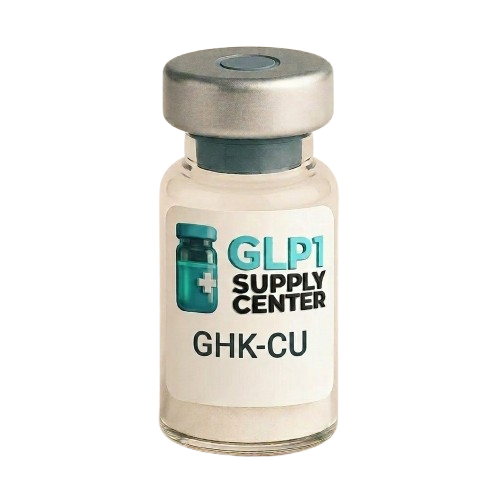
GHK-Cu (glycyl-L-histidyl-L-lysine-copper) is a naturally occurring copper-binding tripeptide found in human plasma, saliva, and urine that plays a critical role in tissue repair, wound healing, and anti-aging processes. Discovered in 1973 by Dr. Loren Pickart, this peptide functions as a biological signaling molecule that stimulates collagen and elastin production, reduces inflammation, and modulates the expression of thousands of genes to reset cells to a healthier state.
Key benefits and characteristics include:
-
Skin Regeneration: It improves skin firmness, elasticity, and density while reducing fine lines, wrinkles, and photodamage by stimulating fibroblast activity and extracellular matrix synthesis.
-
Wound Healing: GHK-Cu accelerates wound contraction, promotes angiogenesis (blood vessel growth), and enhances tissue repair through the release of growth factors like VEGF and BDNF.
-
Antioxidant Protection: It neutralizes free radicals and protects cells from UV radiation and environmental stress, helping to prevent oxidative damage.
-
Age-Related Decline: Plasma levels of GHK-Cu drop significantly with age, falling from approximately 200 ng/ml at age 20 to 80 ng/ml by age 60, which correlates with reduced regenerative capacity and visible skin aging.
-
Hair Growth: Clinical studies suggest it can increase hair thickness and follicle size by improving blood flow and stimulating growth factors in the scalp.
While widely used in topical cosmetics for its reparative properties, GHK-Cu is also explored in injectable forms for systemic healing benefits, though its cosmetic efficacy is generally considered supportive rather than foundational compared to ingredients like retinoids.
Reviews
There are no reviews yet.